

Since his journalistic debut in the 1960s, Yamid Amat has been a force to be reckoned with. Radio, TV, newspapers, and books have all bore witness to this media practitioner’s unyielding desire to transmit knowledge.
Over his illustrious career, Yamid Amat has democratized and universalized information through several mediums, mostly notably serving as director of Caracol Radio and Caracol Televisión. Amat, the Colombian-based author at El Tiempo newspaper featured weekly interviews with current affairs personalities. His book, Be Careful What You Say, is a compilation of interviews for said newspaper over the course of 15 years. According to this media practitioner of Palestinian descent, radio constitutes “the most passionate communication media,” while book writing is a means of achieving transcendence. An early interest in media manifested during Amat’s high school years, later catapulting him into a lifelong love affair with this mode of address. Amat shares with us his thoughts on fake news, journalistic integrity, and vigilante reportage.
From experience, is the media facing different challenges than in the past?
The greatest challenge is brought about by the existence of the internet. Progress has also entailed a challenge. Journalists have progressively become “machines” that resort to the internet for all types of information. The internet has become an instrument that replaces what should be their investigative work.
What do you think about the manipulation and broadcasting of misleading news?
Falseness or manipulation of news is what is known today as fake news and can cause the greatest harm to journalism’s honesty.
“Media literacy is an underrated skill in these information-saturated times.”
Media literacy is an underrated skill in these information-saturated times. What is the risk of mistaking opinion for information?
Information should not contain opinion; these two things are completely different. One way to put it is: Information is sacred while an opinion is free. The real problem is when two ideologically opposing media provide different information on the same issue.
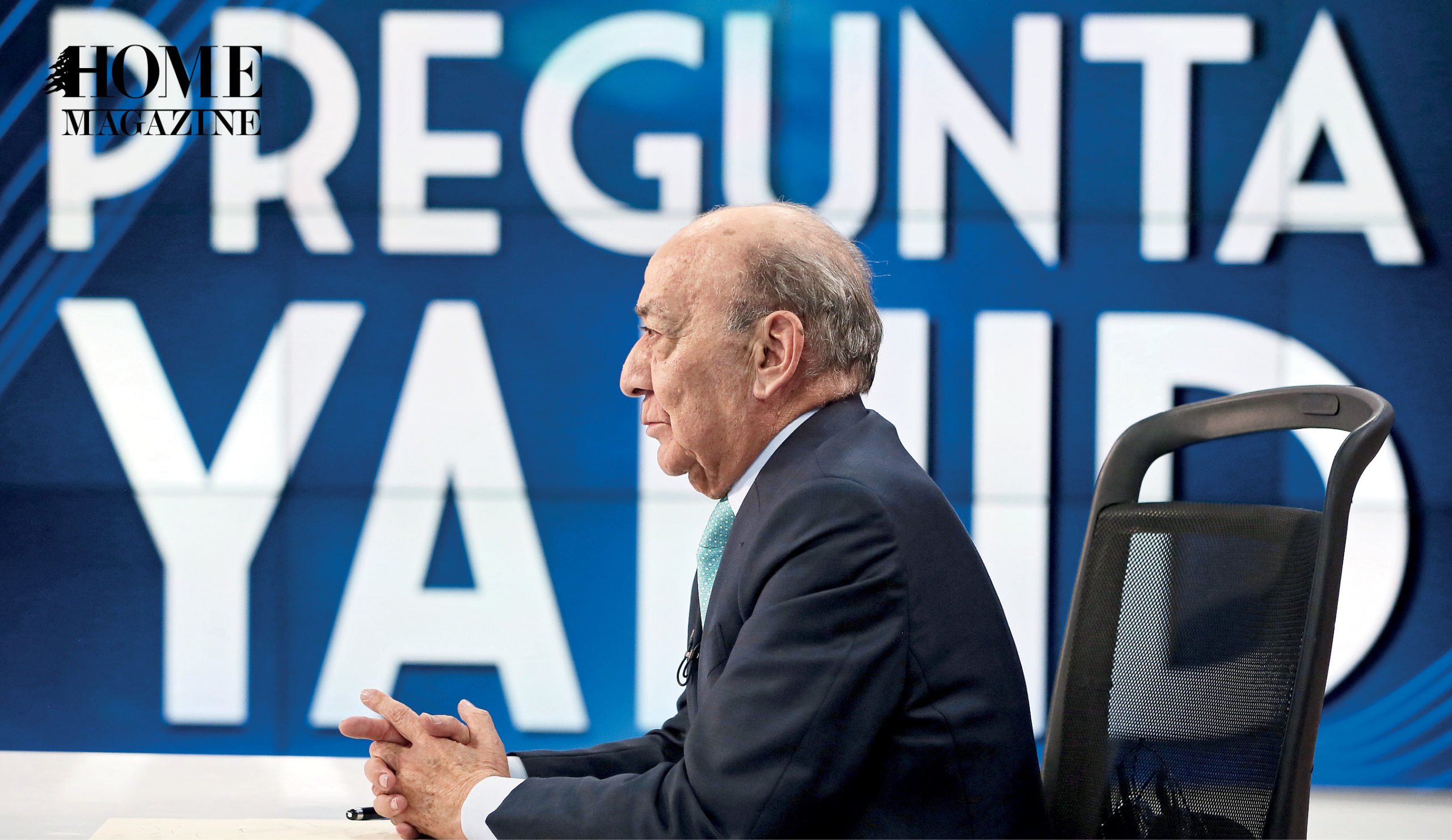
Do you maintain a neutral and distant attitude or take on a more active role as a journalist? How important is the active participation of the journalist for you?
The most important lesson I can give journalists that I train or guide, is the importance of listening. While reporting, listening is absolutely instrumental to be able to ask again. It is vital to give your full attention to your interviewee. A response that is well listened to will necessarily lead to a strong follow-up question and so on.
Accordingly, the first lesson is that one assimilates the answer rather than think of the next question while the interviewee is answering. He or she must have good knowledge on the topic he or she is dealing with. Active participation and good preparation of the journalist are paramount.
In your opinion, is it a journalist’s duty to question and even oppose authority?
Whenever journalists act as vigilantes, it is in countries where power abuse exists. However, such an attitude should only arise when the ruling class are corrupt and exploit their position of power. It isn’t so much about journalists replacing public officials than it is about investigating cases when such controls fail.
Journalists and other media producers can attain so much power that they risk tragedy and death.
What editorial would make you happy to write?
An article about the end of a dictatorship. The first victim of a despotic government is precisely the communication media, which is why it would bring me such joy to announce it.
“Information is sacred while an opinion is free.”
What does “Lumumba” mean, and why did people give you that nickname?
Patricio Lumumba was a man that gave his life to fight for the independence of his country, Congo, and was stoned to death. I was also almost stoned to death by actors, actresses, and TV writers when I wrote a famous column that launched a very harsh criticism of them in the Espacio newspaper. Looking back, I must confess that I was quite unfair in my words, hence the strong reaction at the time.
You were a teacher and friend of Juan Gossain Abdalah, the Colombian-based writer of Lebanese descent and author of The Ballad of Maria Abdala. What do you think of your shared Arab roots?
I don’t consider myself Juan’s teacher; I simply showed him the way to apply his talent. Regarding our shared Arab descent, I have no explanation other than coincidence. A fortunate coincidence, indeed.
How do you react to the criticism that comes through the media?
With patience, when it’s negative. Humbly, when it’s highly favorable.
What is the most rewarding aspect of being a journalist?
Exploring the diversity of human activity.
What business would you like to start?
To lead a journalism school.
What projects are you working on?
The way I see it, as soon as a new day begins, everything becomes a project.


